Coorong Cruises
Booking Guide

Coorong Cruise Reviews

Choosing between Coorong boat operators means weighing wildlife guarantees against commentary depth and vessel comfort. Most visitors book cruises departing from Goolwa, though launch points within the park offer closer wetland access. This guide synthesizes traveler feedback to clarify which tours match specific expectations.

8 min read Updated 2026-08-24 Fact-checked
Coorong Cruise Reviews

Quick answer

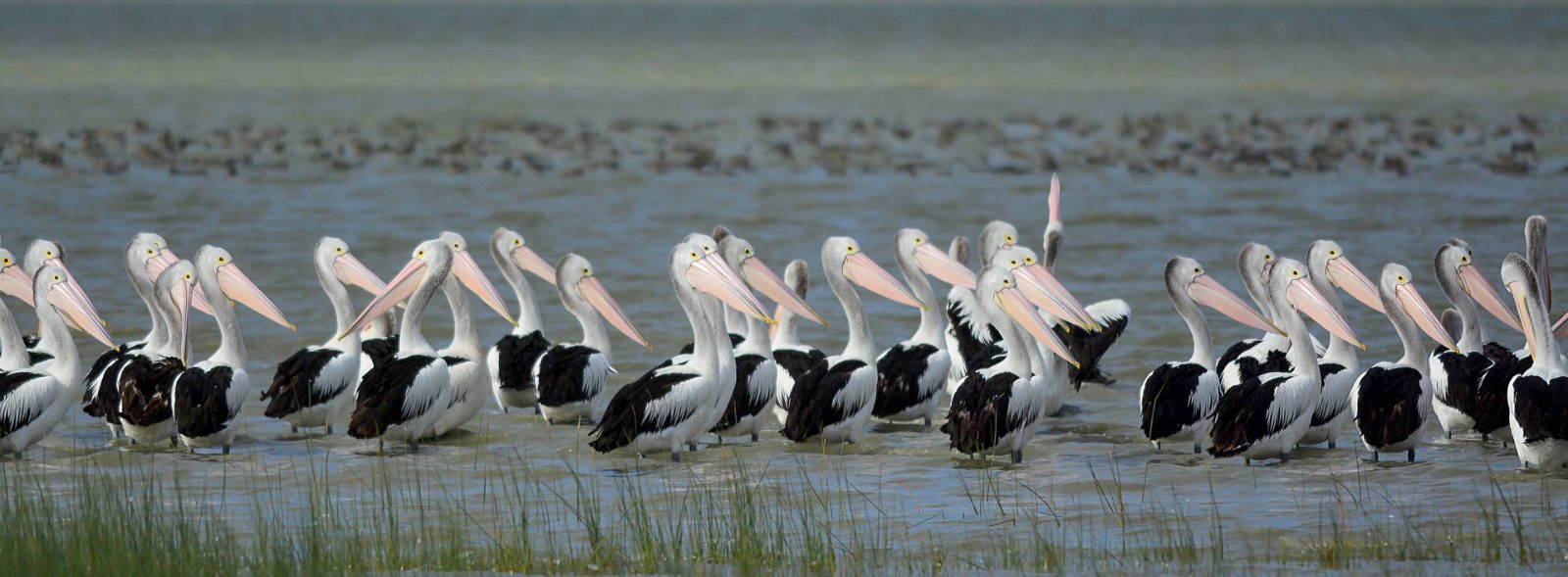
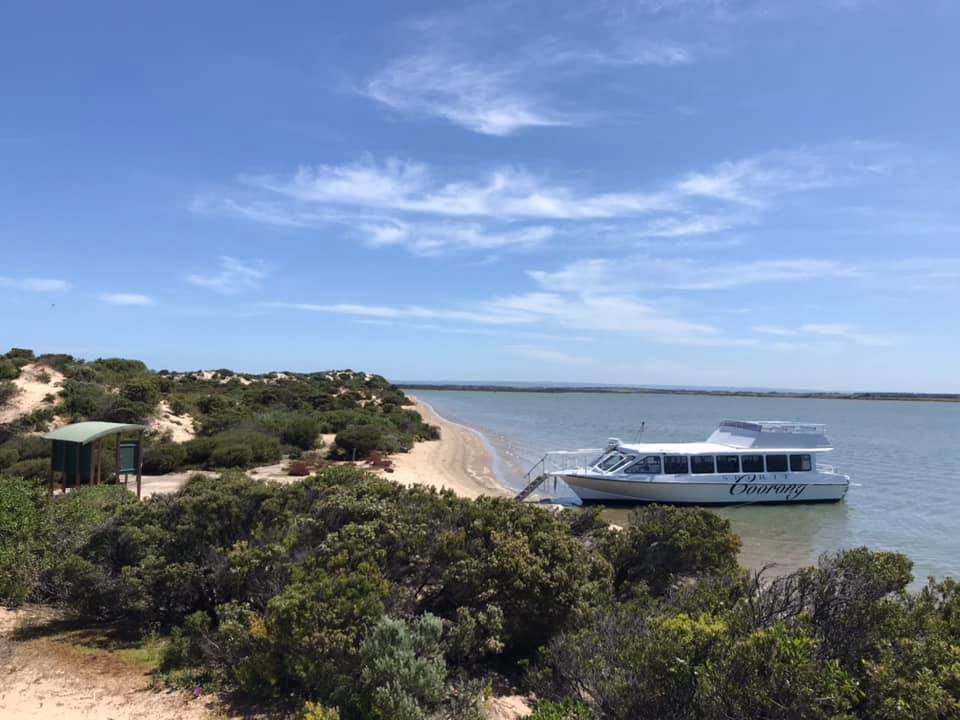
Coorong cruise reviews consistently highlight pelican colonies and migratory shorebirds as the primary wildlife draw, with full-day excursions receiving higher satisfaction scores than half-day trips for species diversity. Operator commentary quality varies significantly—ecotourism-certified guides provide Ngarrindjeri cultural context and waterbird identification, while generic tours focus on landscape narration. Vessels with shallow drafts access narrower channels where birdlife concentrates, a factor that reviews identify as critical for photographers and naturalists seeking close-range encounters.

More than 240 bird species migrate through the Coorong's hypersaline lagoons each year, transforming boat tours into live ornithology workshops where sightings depend entirely on seasonal patterns and operator route knowledge. Reviews from February through June mention prolific wader concentrations along mudflats, while winter feedback notes reduced activity but clearer water visibility for submerged vegetation observation. Travelers consistently rate operator expertise above vessel amenities when evaluating coorong cruise reviews. Guides who pause for extended birdwatching—rather than maintaining fixed schedules—receive the strongest praise, particularly from international visitors unfamiliar with Australian species like banded stilts and red-necked avocets. Several 2026 reviews criticize rushed itineraries that prioritize the Murray Mouth over wetland channels, where hooded plovers and Cape Barren geese nest. The lagoon system stretches 130 kilometers, but most commercial cruises navigate only the northern 40 kilometers between Goolwa and the Younghusband Peninsula, a geographical constraint that shapes realistic expectations for habitat variety. Cultural interpretation separates premium operators from budget alternatives. Tours incorporating Ngarrindjeri perspectives on the Lower Lakes ecosystem—covering traditional fish traps, seasonal migration calendars, and the 1930s barrages' ecological impact—earn higher value ratings despite identical wildlife itineraries. Feedback emphasizes that understanding the Coorong's status as a Ramsar wetland and its role in the Murray-Darling Basin adds narrative weight to what might otherwise feel like passive sightseeing. Boat capacity directly affects the experience quality reported in reviews. Vessels carrying fewer than 20 passengers allow unobstructed photography angles and personalized Q&A with guides, while larger craft struggle with crowding at peak wildlife moments. Morning departures between 8:00 and 10:00 dominate positive feedback due to feeding activity and lower wind speeds—afternoon tours face glare off the water and reduced bird movement. Most operators supply sun protection and drinking water, but reviewers recommend packing binoculars and layered clothing even in warm months, as exposed lagoon conditions shift rapidly. Repeat visitors note declining water levels in recent drought years have concentrated birdlife into smaller areas, paradoxically improving sightings for short cruises while limiting access to remote southern sections. The park's free vehicle entry supports self-drive alternatives to commercial tours, though boat ramp access requires 4WD capability and local navigation knowledge that casual visitors typically lack.

“Tours incorporating Ngarrindjeri perspectives on the Lower Lakes ecosystem earn higher value ratings despite identical wildlife itineraries.”
Timing

Optimal Timing and Seasonal Advice for Coorong Cruise Reviews

The best arrival window for visiting the Coorong is 07:00–17:00 to ensure optimal daylight for birdwatching while avoiding travel during periods of high animal activity at dusk and dawn. Seasonal selection depends heavily on migratory bird patterns and coastal temperature variations.

Spring (Sept–Nov)

Moderate

Mild 15°C–22°C; peak migratory bird activity.

High bird activity makes this period ideal for wildlife observation cruises.

Summer (Dec–Feb)

High

Warm 20°C–28°C; calm water conditions.

Consistent weather supports regular cruise schedules during the peak tourist season.

Autumn (March–May)

Low

Cool 14°C–20°C; clear visibility.

Stable conditions and lower visitor numbers offer a quieter experience on the water.

Winter (June–Aug)

Very low

Cold 8°C–16°C; frequent winds.

Cruises may be limited by weather, though the landscape remains accessible.

Verdict: For the best cruise experience, aim for mid-week travel between 07:00 and 17:00 during the months of April or October.

Opening hours

Park Access Hours for Coorong Cruise Reviews

Coorong National Park is open for visitors daily to accommodate various cruise schedules and land-based exploration.

Monday
00:00–23:59
Tuesday
00:00–23:59
Wednesday
00:00–23:59
Thursday
00:00–23:59
Friday
00:00–23:59
Saturday
00:00–23:59
Sunday
00:00–23:59
The park operates with 24-hour access, allowing visitors to enter at their convenience.
Prices

Entrance Fees and Costs Affecting Coorong Cruise Reviews

Access to Coorong National Park requires no entry fee for visitors. Please note that costs associated with boat tours or cruises are separate and determined by individual private operators.

Park Entrance Free day vehicle entry to the park.
0 AUD
Camping Charges vary based on site selection.
Fees apply
General vehicle entry to the Coorong National Park is free for all visitors.

Verdict: A typical visitor pays 0 AUD for park entry, though individual cruise operator fees will vary based on the specific tour package selected.

Directions

Directions for Accessing Coorong Cruise Reviews Departure Points

Coorong National Park is located along the Princes Highway in South Australia, which serves as the primary artery for reaching various cruise departure points. Travelers typically access the park by road from Adelaide or the surrounding Fleurieu Peninsula.

Car Approx. 2 hours

Princes Highway (A1) from Adelaide

Bus Approx. 2.5–3 hours

Stateliner coach service to Meningie or Goolwa

Taxi Approx. 2 hours

Private hire from Adelaide or nearby regional hubs

Plan your arrival for the 07:00–17:00 window to ensure optimal daylight for birdwatching and to avoid driving during dusk and dawn when native wildlife activity is high.

What to see

Natural Features to Anticipate in Coorong Cruise Reviews

Cruise routes through Coorong National Park focus on the unique ecological transitions between the freshwater and marine environments. These natural landmarks form the core of the experiences detailed in visitor reviews.

Coorong Lagoon

Coorong Lagoon

This expansive, shallow waterway serves as the primary navigation channel for cruises, offering calm waters and diverse aquatic habitats. It acts as the central artery for exploring the park's isolated reaches.

View from the bow to spot ripples from stingrays.
Salt Creek

Salt Creek

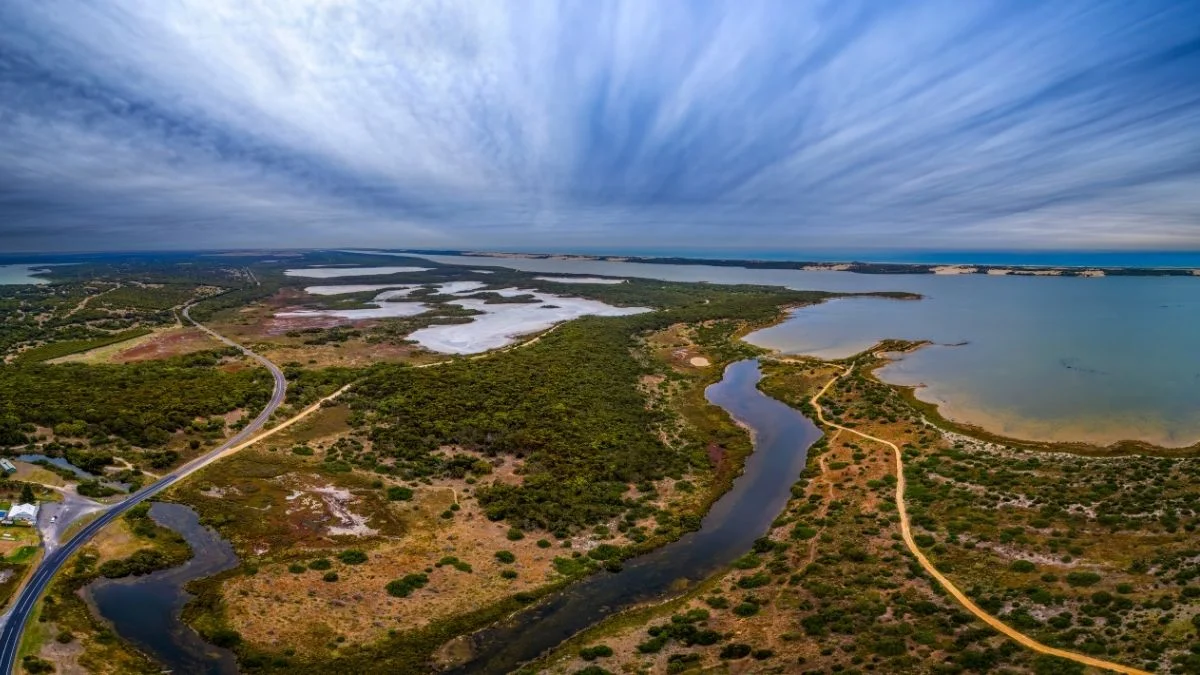
Located at the southern end of the park, this area is characterized by its distinct salinity gradients and dense vegetation. Many cruises highlight this region for its concentrated birdlife and quiet corridors.

Listen for the call of waterbirds in the reeds.

Pelican Colonies

Pelican Colonies

These nesting sites are frequent focal points for cruise itineraries, particularly around the islands in the southern lagoon. Observers often note the size and activity level of these groups.

Use binoculars early in the day for clear sightings.

Younghusband Peninsula

Younghusband Peninsula

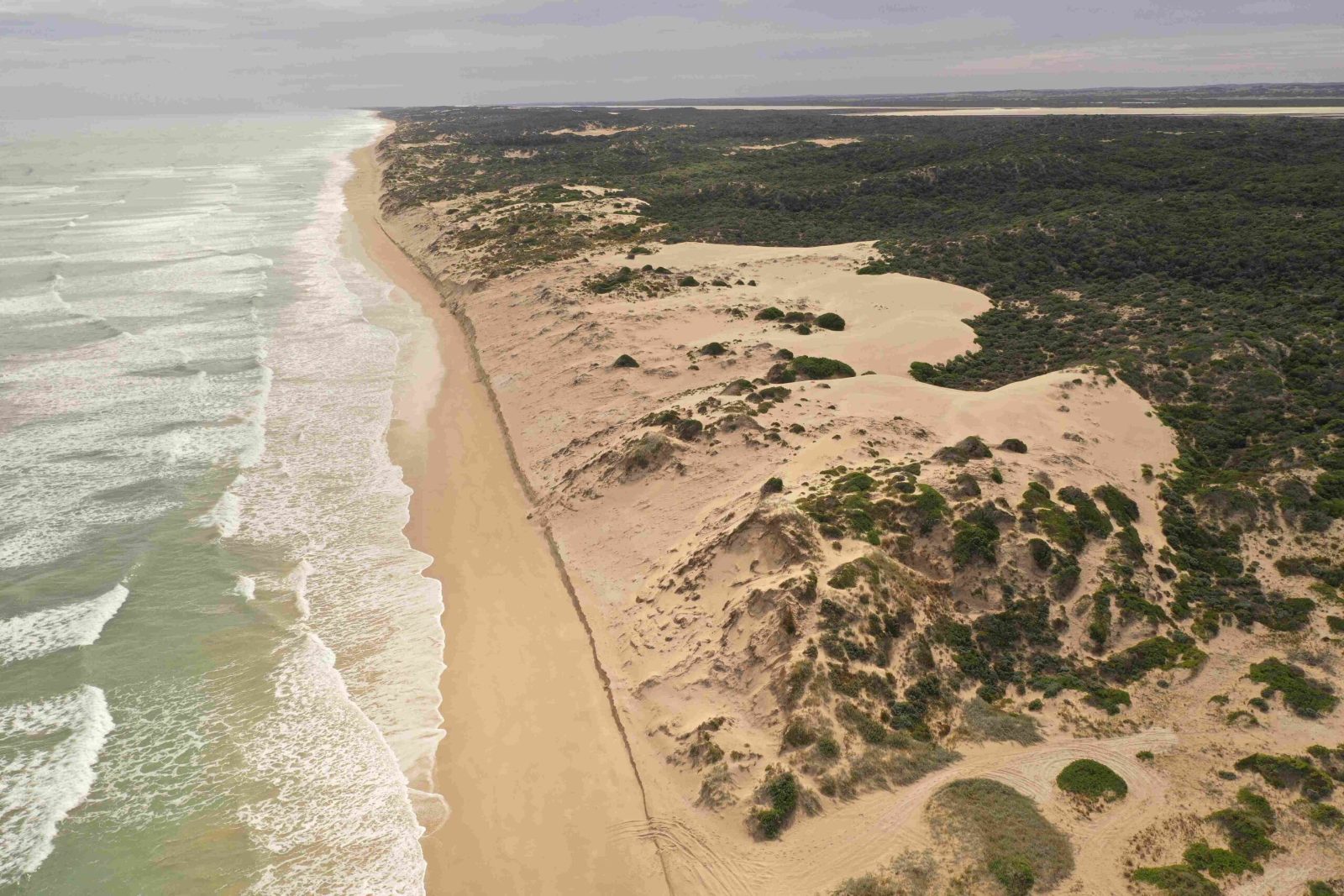
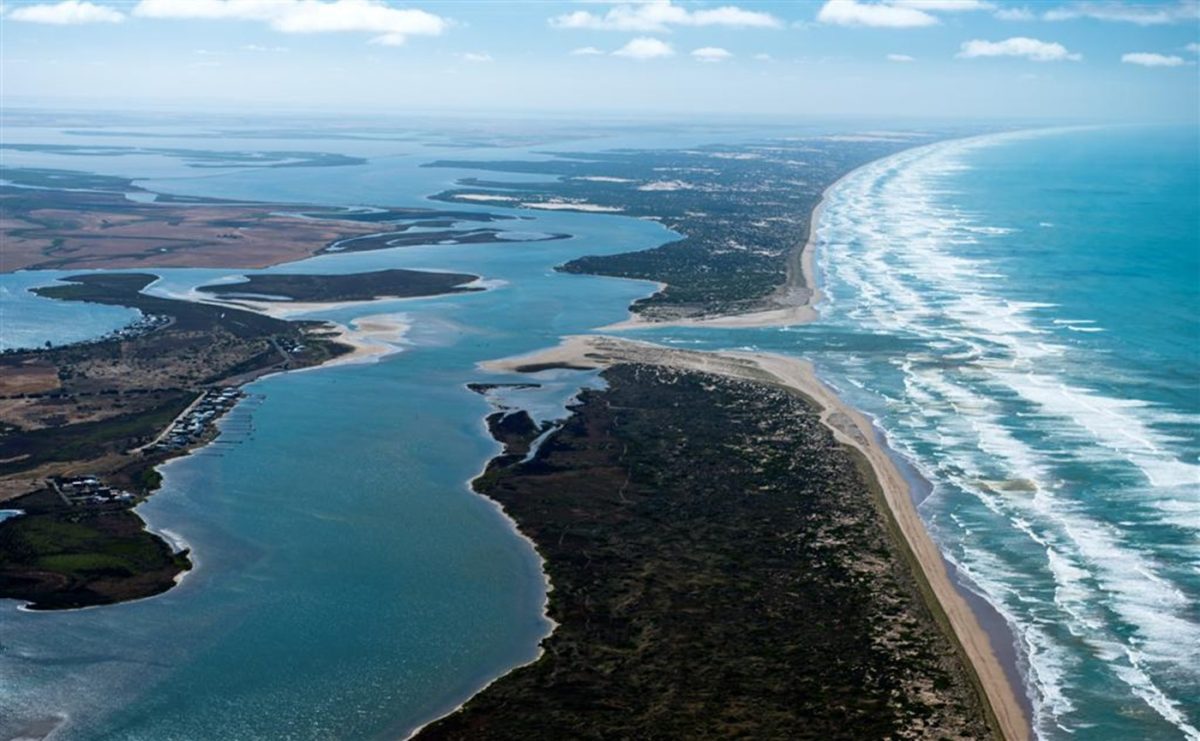
This long, narrow strip of sand dunes separates the Coorong lagoon from the Southern Ocean. It provides a natural barrier that defines the park's sheltered coastal environment.

Look for the dune ridges during lagoon transit.

Checklist

Essential Preparation for Your Trip Based on Coorong Cruise Reviews

Cruise operators recommend confirming these items before departure to ensure a comfortable wildlife viewing experience.

Book

Check availability

Frequently asked

Frequently Asked Questions About Coorong Cruise Reviews

Everything you need to know about coorong cruise reviews

Are coorong cruise reviews helpful for planning my visit?

Reading coorong cruise reviews provides valuable insights into the visitor experience and helps manage expectations for your day on the water. These assessments often highlight aspects like wildlife sightings, commentary quality, and overall comfort levels. Visitors frequently share tips in coorong cruise reviews regarding the best weather conditions or clothing to wear for coastal adventures. Many guests mention the serene landscapes and the educational value provided by local guides during these waterway tours. When evaluating a Coorong sightseeing tour, look for comments about the duration of the journey and the specific areas of the estuary explored. Reliable coorong cruise reviews will typically discuss the reliability of the service and the accessibility of the vessels for different age groups. While many tours offer family-friendly environments, it is helpful to check feedback regarding how long children can stay engaged during the voyage. Always prioritize feedback that mentions recent experiences to ensure the information reflects the current operational standard. Yes, you are welcome to explore the park independently before or after your boat trip. The park is open daily, and you can enjoy walking trails or birdwatching at your own pace once you arrive.

Keep reading

More guides & pages